
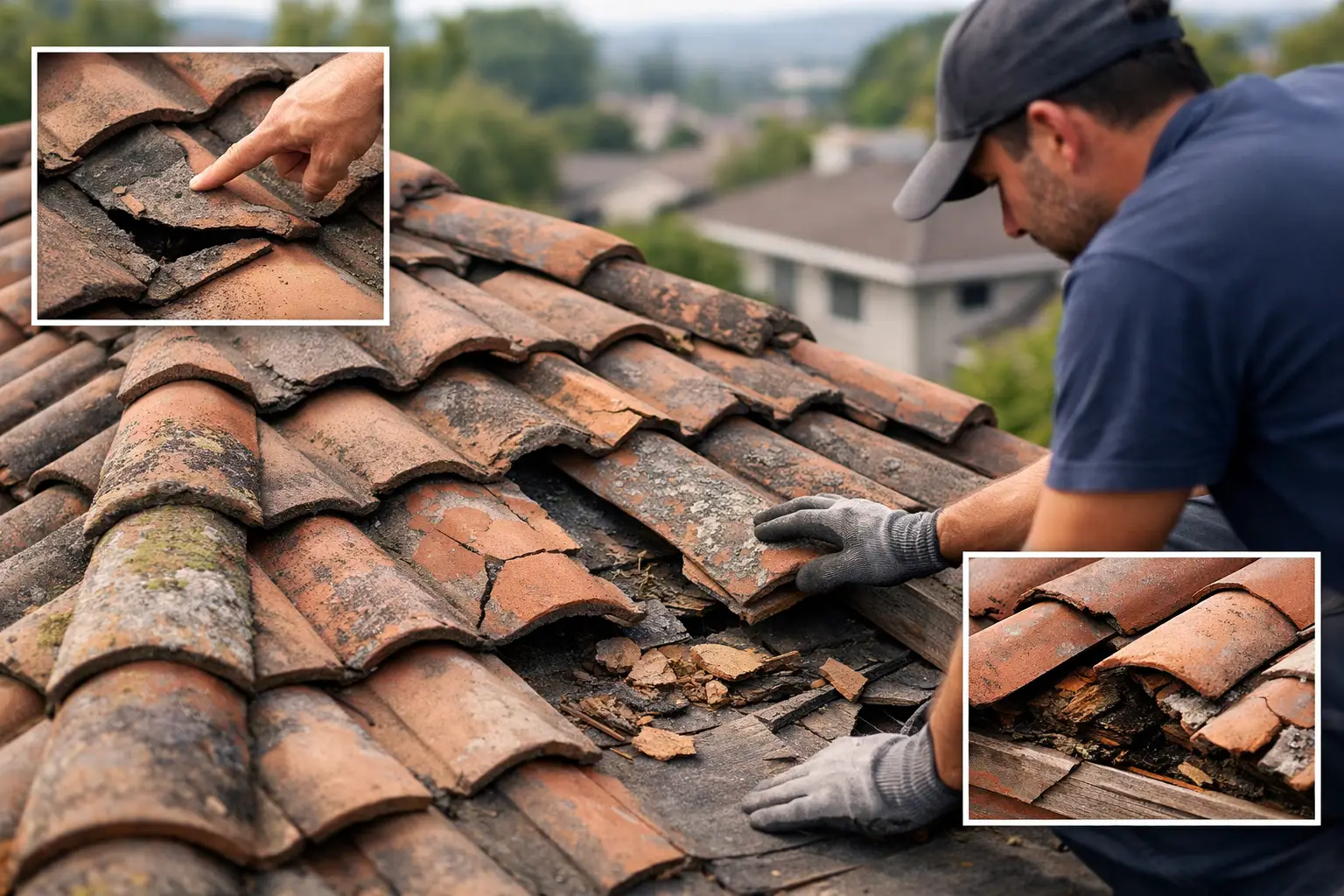
A slipped tile after a wet, windy Glasgow weekend is not always a reason to replace an entire roof. Equally, repeatedly putting back loose tiles can become a costly false economy when the roof covering, fixings or underlay are reaching the end of their working life. Knowing when to replace roof tiles helps you deal with the real problem before water reaches the roof structure, insulation and rooms below.
The right answer depends on the condition of the whole roof, not simply what can be seen from the ground. A qualified roof inspection will establish whether a localised repair is the sensible option or whether larger-scale replacement will give better long-term protection.
When to replace roof tiles rather than repair them
Individual tiles can crack from impact, move in high winds or break after years of frost and rain. If the surrounding tiles are sound, the battens are dry and secure, and there is no evidence of a wider failure, replacing a small number of matching tiles is normally straightforward. This is often the most affordable and least disruptive route.
Replacement becomes more likely when failures are widespread or keep returning. A roof is a system: tiles, ridge and hip tiles, mortar or dry-fix components, battens, breathable membrane, flashing, valleys and gutters all work together. Replacing a few visible tiles will not solve problems caused by decayed timber battens, perished underlay or poor drainage.
Age is a useful guide, but it should never be the only deciding factor. Quality clay and concrete tiles can last for decades when properly installed and maintained. However, Scotland’s driving rain, freeze-thaw cycles and strong winds can expose weak points earlier than expected. The condition of the materials and workmanship matters more than a fixed age on paper.
Signs your roof tiles may need replacing
A close inspection from a safe position can reveal early warning signs. Do not climb onto a roof yourself, particularly after bad weather. Tiles can be unstable, and walking in the wrong place can cause further breakages.
Look out for these issues:
- Frequent loose, cracked or missing tiles. One damaged tile is repairable. A growing number across different roof slopes suggests the covering is deteriorating or its fixings are failing.
- Spalling, flaking or a worn surface. Concrete tiles may lose their protective finish over time. Once the surface becomes porous, they can absorb more water and become more vulnerable to frost damage.
- Sagging roof lines or uneven tile courses. This can point to problems below the tiles, including weakened battens, timber movement or structural issues that require prompt assessment.
- Damp marks in the loft or ceiling. Water staining, wet insulation, mouldy smells or daylight visible through the roof are signs that the roof is no longer keeping the weather out reliably.
- Loose ridge or hip tiles. Traditional mortar can crack and fail with age. If ridge tiles are moving, this is a safety concern as well as a weatherproofing issue.
- Granules, fragments or tile debris in gutters. This may indicate surface breakdown, though gutters should also be checked for blockages that could be forcing water back beneath the tile edges.
A leak does not always appear directly beneath the damaged tile. Water can travel along felt, battens and timbers before becoming visible indoors. That is why a professional inspection should trace the source rather than relying on a patch where the stain appears.
Repeated repairs are a clear warning
If you have called for repairs more than once in a short period, ask for an honest assessment of the full roof condition. Recurrent leaks around different areas, continuing tile movement or fresh cracks after every storm may mean the roof needs more than another isolated repair.
This does not automatically mean a full replacement. It could be a defined section of roof, a valley renewal, new flashing, replacement battens in a damaged area or ridge work. The aim should be a repair-first recommendation where it is practical, followed by replacement only where it offers a more dependable result.
What sits beneath the tiles matters just as much
Roof tiles are the visible weathering layer, but they cannot perform properly without sound support beneath them. Battens hold the tiles in position. The membrane helps manage wind-driven rain and condensation. Timber structure supports the entire roof.
During a roof replacement, contractors can inspect these hidden layers properly. Rotten battens, torn felt, inadequate ventilation and damaged rafters can be addressed before new tiles are fitted. Simply reusing old components beneath a new tile covering may reduce the lifespan of the work, so it is worth understanding exactly what is included in a quotation.
For landlords and commercial property managers, this wider inspection can be particularly valuable. A small water ingress issue left unnoticed can affect multiple rooms, tenants, electrical systems and insulation performance. Planned work is usually easier to budget for and arrange than an emergency response after a major leak.
Repair, partial replacement or a new roof?
There are three common routes, and each has a place. A targeted repair suits isolated storm damage or a small number of broken tiles on an otherwise healthy roof. Partial replacement is appropriate where one slope or a clearly defined area has failed, perhaps due to persistent weather exposure or an old alteration.
A full roof replacement is generally the best option where tiles are extensively weathered, the roof is leaking in several places, the underlay and battens have deteriorated, or the covering is near the end of its serviceable life. It can also be sensible when the cost of repeated repairs is beginning to approach the cost of lasting remedial work.
A complete replacement involves more upfront cost and greater short-term disruption, but it gives the opportunity to renew the roof as a whole. New tiles, membranes, battens, flashings and ventilation can be specified to suit the property. It also provides clearer certainty for homeowners planning to stay in their property and landlords responsible for protecting an asset over the long term.
Choosing replacement tiles for a Glasgow property
Matching the existing roof matters where only part of the covering is being renewed. Tile profile, size, colour, gauge and fixing method all affect the finished appearance and weather performance. Older tiles may have faded over time, so an exact visual match is not always possible. A good contractor will explain the available options before work begins.
For full replacement, the choice often comes down to concrete or clay tiles, budget, roof pitch, local planning considerations and the style of the property. Concrete tiles are widely used, durable and cost-effective, but they can be heavier. Clay tiles offer a traditional appearance and long lifespan, although they typically cost more. Slate may be appropriate for certain properties, but it requires the correct roof structure and specialist installation.
The roof must also be designed for local weather exposure. In open or elevated areas around Glasgow and Lanarkshire, secure mechanical fixings and properly detailed ridges, verges and flashings are not optional extras. They are central to keeping the roof secure in high winds.
How a professional inspection avoids unnecessary work
A reliable inspection should look beyond the most obvious broken tile. The roofer should assess the condition of the roof covering, ridge line, valleys, chimneys, leadwork, gutters and roof edges, as well as the internal loft space where accessible. Photos and a clear explanation of the findings make it easier to understand what needs doing now and what can be monitored.
Be cautious of anyone who recommends a complete replacement without examining the roof properly or who cannot explain why repairs will not last. You should receive a transparent quotation that separates urgent defects from optional improvements, confirms the proposed materials and sets out the workmanship guarantee.
Trusted Roofing Ltd provides free roof inspections and straightforward advice for homeowners, landlords and businesses across Glasgow and surrounding Lanarkshire areas. Our insured, qualified team assesses whether a durable repair is possible before recommending replacement work.
Act before a small defect becomes internal damage
The best time to arrange an inspection is when you first notice a missing tile, loose ridge, persistent gutter overflow or a new damp patch – not after water is running through the ceiling. Early action may keep the work limited to a practical repair and protect the roof structure from more expensive damage.
If your roof has suffered storm damage or you are concerned that recurring repairs are no longer enough, arrange a professional assessment. Clear advice, suitable materials and guaranteed workmanship will give you a roof that is ready for the next spell of Scottish weather.