
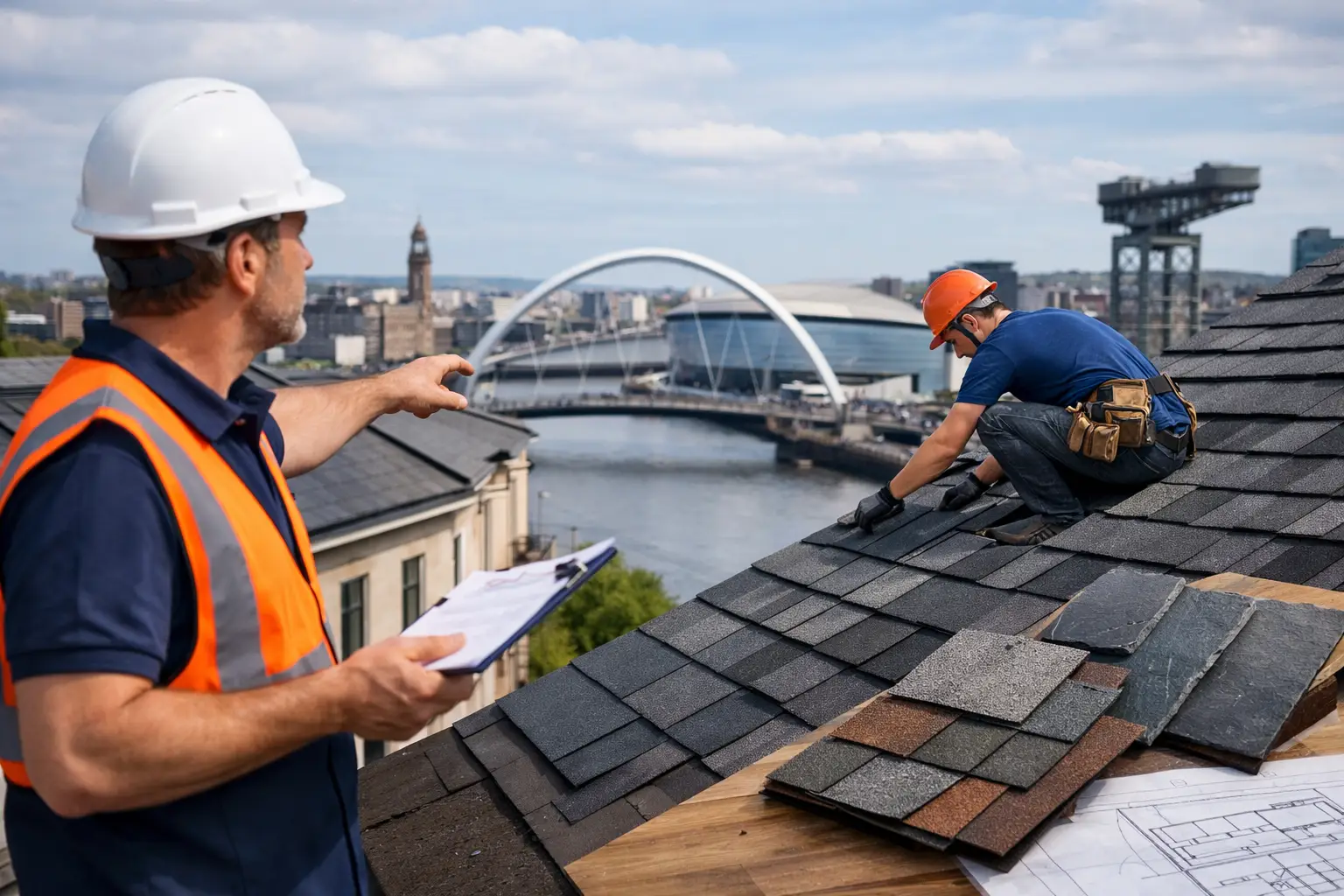
A roofer usually gets called when something has already gone wrong – a leak after heavy rain, slipped tiles after wind, or damp patches spreading across an upstairs ceiling. That is exactly why knowing how to choose the best roofing contractor in Glasgow matters. When the pressure is on, it is easy to go with the first company that answers the phone, but the right decision can save you money, disruption and repeat repairs.
Glasgow properties put roofs under real strain. Driving rain, strong winds, ageing tenements, post-war housing, newer estates and commercial units all create different roofing demands. A contractor who is right for a flat garage roof in Bearsden may not be the best fit for slate repairs on an older property in Shawlands or a full replacement on a commercial building in East Kilbride. The key is not just finding a roofer. It is finding one with the right experience, proper cover, honest pricing and a repair approach that suits your property.
How to choose the best roofing contractor in Glasgow
Start by looking for a genuine local contractor with a clear service area and a track record in Glasgow and nearby Lanarkshire towns. Local knowledge matters more than many people realise. Roofers who regularly work across Glasgow understand common roof types, weather exposure and recurring issues such as chimney flashing failure, blocked gutters, storm damage and wear on flat roofing systems.
That does not mean the nearest roofer is automatically the best. It means local presence should be backed up by evidence. A reliable contractor should be easy to identify as an established business, not just a mobile number and a vague promise. You want to see signs of consistency – clear services, regular roofing work in the area, and a straightforward process for inspections, quotations and follow-up.
Check insurance, qualifications and who is doing the work
This is one of the first filters to apply, especially if the quotation is for anything beyond a minor repair. Roofing is high-risk work, and you should never assume cover is in place. Ask whether the company is fully insured and whether the team carrying out the work is qualified for the type of roof involved.
That point matters because roofing is not one trade in one neat box. There is a difference between repairing a pitched tiled roof, replacing leadwork, installing fascias and soffits, and fitting modern flat roofing systems such as EPDM, PVC or TPO. A contractor may be competent in one area and less experienced in another. If your roof has a specific issue, ask directly how often they deal with that exact type of work.
It is also worth asking whether the work is completed by the company’s own team or subcontracted out. Neither is always a problem, but you should know who is responsible if something needs attention afterwards.
Look closely at how they quote
A good quotation should feel clear, not clever. If a roofer talks in circles, avoids detail or pushes for an immediate decision, that is usually a warning sign. The best contractors explain what they found, what needs done now, what can wait, and why.
Cheap quotes can be tempting, especially if you are dealing with water ingress or an insurance excess. But a low figure on paper does not always reflect the real cost. Some quotations leave out waste removal, scaffold requirements, material grades, flashing work or making good around the repair. Others price for a short-term patch when the roof needs a more durable fix.
That said, the highest quote is not automatically the safest choice either. A fair roofing contractor should be able to justify the price through labour, materials, access requirements and the expected lifespan of the work. Transparency matters more than trying to guess which number looks most reassuring.
Questions to ask before you appoint a roofing contractor
The right questions quickly tell you whether a company is experienced and honest, or simply trying to win the job. Ask what is causing the problem, whether repair is possible before replacement, what materials are being proposed, how long the work should take, and what guarantee is included.
The repair-versus-replacement question is especially important. Some roofs do need replaced, particularly where there is widespread age-related failure or repeated water ingress across multiple areas. But not every damaged roof needs a full renewal. A contractor worth trusting should be willing to recommend repair where it is sensible, even if that means a smaller job in the short term.
You should also ask what happens if additional issues are uncovered once work starts. Roofing can reveal hidden defects in decking, battens or underlying felt. A professional company will explain how variations are handled rather than presenting you with unexpected costs halfway through.
Guarantees should be clear, not vague
A guarantee only has value if it is properly explained. Ask what is covered, for how long, and whether it relates to workmanship, materials or both. If you are comparing companies, this helps you judge value far better than headline price alone.
Be cautious of grand promises with no detail behind them. Roofing work is exposed to weather, existing roof condition and maintenance levels, so any guarantee should make practical sense. Clear terms are a better sign than overblown claims.
Reviews and reputation need context
Most people now check reviews before booking any trade, and that is sensible. But read them properly. A long run of vague five-star comments is less useful than a smaller number of detailed reviews that mention the type of work carried out, response time, tidiness, communication and whether the fix lasted.
It can also help to look for consistency in what people say. If customers regularly mention punctuality, honest advice, emergency response or quality repairs, that tells you more than a perfect score on its own. The same applies if complaints repeat the same pattern, such as missed appointments or unclear billing.
For landlords and commercial property managers, reputation should also include reliability under pressure. If a contractor says they offer emergency repairs, ask how quickly they typically attend and what temporary measures they can put in place to prevent further damage.
What to watch for when comparing roofing contractors in Glasgow
Some warning signs appear before any work begins. A roofer who knocks the door claiming to have noticed damage from the street should be treated carefully. The same goes for anyone unwilling to inspect the roof properly before pricing, or anyone who demands cash without paperwork.
Another red flag is pressure. Reputable contractors do not need to rush you into agreeing on the spot unless there is a genuine safety issue that needs immediate action. Even in an emergency, they should still be able to explain the problem and the proposed next step in plain terms.
Communication matters more than people think. If a contractor is difficult to pin down before winning the job, it rarely improves once the work starts. You want a company that answers clearly, turns up when arranged and keeps you informed if weather or access affects the schedule.
The best fit depends on the job
There is no single perfect roofer for every situation. A homeowner with a slipped tile and minor leak needs someone responsive and practical. A landlord managing several properties may need ongoing maintenance and dependable reporting. A commercial site may need a contractor used to flat roofing systems, larger access requirements and minimal disruption to operations.
That is why experience should match the scope of the work. Ask what similar jobs the company carries out regularly. A contractor with broad capability across repairs, maintenance, roof replacement and modern roofing systems is often better placed to give balanced advice because they are not reliant on one narrow type of job.
For many property owners, the strongest choice is a local company that combines experience, insurance, guaranteed workmanship and a repair-first approach. That balance usually leads to better decisions than choosing purely on speed or price. Trusted Roofing Ltd, for example, built its reputation around exactly those points – practical advice, fast response and dependable workmanship backed by clear quotations.
When you are deciding, take a step back and judge the whole picture. The best roofing contractor is not the one with the loudest sales pitch. It is the one that explains the issue properly, prices it honestly, has the right experience for your roof, and stands behind the work once the scaffold is down. If a company gives you confidence before the job starts, there is a good chance they will still deserve it after the rain returns.